All Categories
Featured


Corporate Updates: Regional Milestones in 2026
Table of Contents
This reflective procedure enables you to take advantage of your accumulated experience and make needed modifications for future growth. By analyzing what's worked and what hasn't, you can improve your understanding of your target audience and tailor the dining establishment experience to much better fulfill their progressing needs.
Think about the following: Evaluate crucial metrics like client feedback, sales data, and marketing project results to identify successes and locations for improvement. Has your ideal consumer changed gradually? Reassess their demographics, choices, and dining habits to ensure your offerings stay pertinent. Does your dining establishment still provide a special and engaging experience? Fine-tune your menu, atmosphere, and service to distinguish yourself from competitors.
Consider digital marketing, social media engagement, and regional partnerships. Based upon your analysis, develop achievable and measurable development targets for profits, customer acquisition, and market share. We'll talk about development goals even more in a bit. Update your monetary forecasts to reflect your revised service strategy and growth objectives. This includes budgeting for growth, staffing, and marketing efforts.
Diversifying income streams allows dining establishments to reach a more comprehensive client base and profit from progressing customer choices. Offering curated meal packages or prepared foods for retail sale extends the dining establishment's brand into customers' homes, developing new touchpoints and generating extra income. Hosting personal occasions, cooking classes, or partnering with regional companies for distinct experiences can further improve brand exposure and customer engagement.
Here's a list of concepts for added income streams: Develop a devoted catering arm to service events of different sizes. Transform your dining establishment into an event location.
Comparing Franchise Models Against Growth Data
Consider ticketed events to generate more clients. Regular themed nights (e.g., trivia, live music, unique cuisines) can bring in new consumers and improve mid-week organization. Deal cooking classes or presentations to engage the community and produce extra earnings. Take advantage of holidays and seasonal components with unique menus and advertising occasions.
Think about offering branded product (e.g., clothing, mugs, cookbooks) to produce additional profits and promote brand commitment. A well-defined development strategy provides a roadmap for the future, describing clear goals, target markets, and action strategies.
Commercial Growth Through Hospitality ExpansionBy analyzing market trends, competitor activities, and customer preferences, a strategic technique allows dining establishments to make educated decisions about menu advancement, marketing projects, and operational adjustments. A development method facilitates resource allotment, ensuring that investments in staffing, innovation, and marketing are lined up with the general company objectives. Ultimately, strategizing for growth empowers dining establishments to move beyond simply making it through and rather concentrate on growing, taking full advantage of profitability, and constructing a sustainable and effective brand.
Key Strategies to Expanding Restaurant Footprints
Examine market demand, competition, and local financial conditions before opening new branches. Avoid quick overexpansion. Focus on developing an effective design in one or two places before scaling even more. Controlled growth reduces danger and allows for improvement of functional processes. Preserve brand name identity and core worths during growth. Guarantee that the consumer experience and quality of offerings remain constant across all locations.
From online buying and appointment systems to sophisticated point-of-sale (POS) and inventory management software to event management software application, technology provides a plethora of tools to enhance operations, boost the consumer experience, and drive success. Information analytics obtained from these systems offer valuable insights into customer choices, sales patterns, and functional effectiveness, making it possible for data-driven decision-making for menu development, marketing campaigns, and staffing strategies.
Welcoming innovation not just enhances performance and reduces costs but also permits restaurants to adjust rapidly to changing market demands and stay ahead of the competition, paving the method for sustainable development and success. Execute a thorough POS system that integrates buying, inventory management, client relationship management (CRM), and reporting performances.
Use email marketing and social networks platforms for targeted marketing campaigns and client engagement. Track essential efficiency indicators (KPIs) such as sales data, client demographics, and popular menu items to inform organization decisions and enhance operations. Scaling a dining establishment requires a strategic and multifaceted technique. By concentrating on operational performance, profits diversity, and regulated growth, restaurant owners can position their companies for sustainable growth and success.

Latest Posts
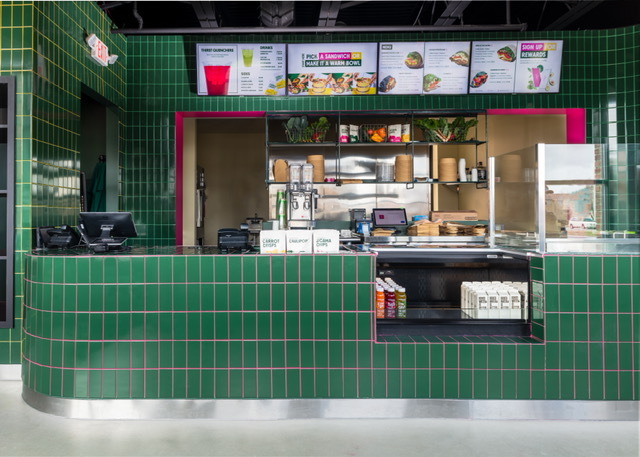
How to Grow Your Fast Casual Sector Share

Top Profitable Investment Prospects for 2026

Capturing Fast Service Restaurant Volume in 2026